AI Power and Optics: The Hidden Thermal Friction Risk in AI Data Centers
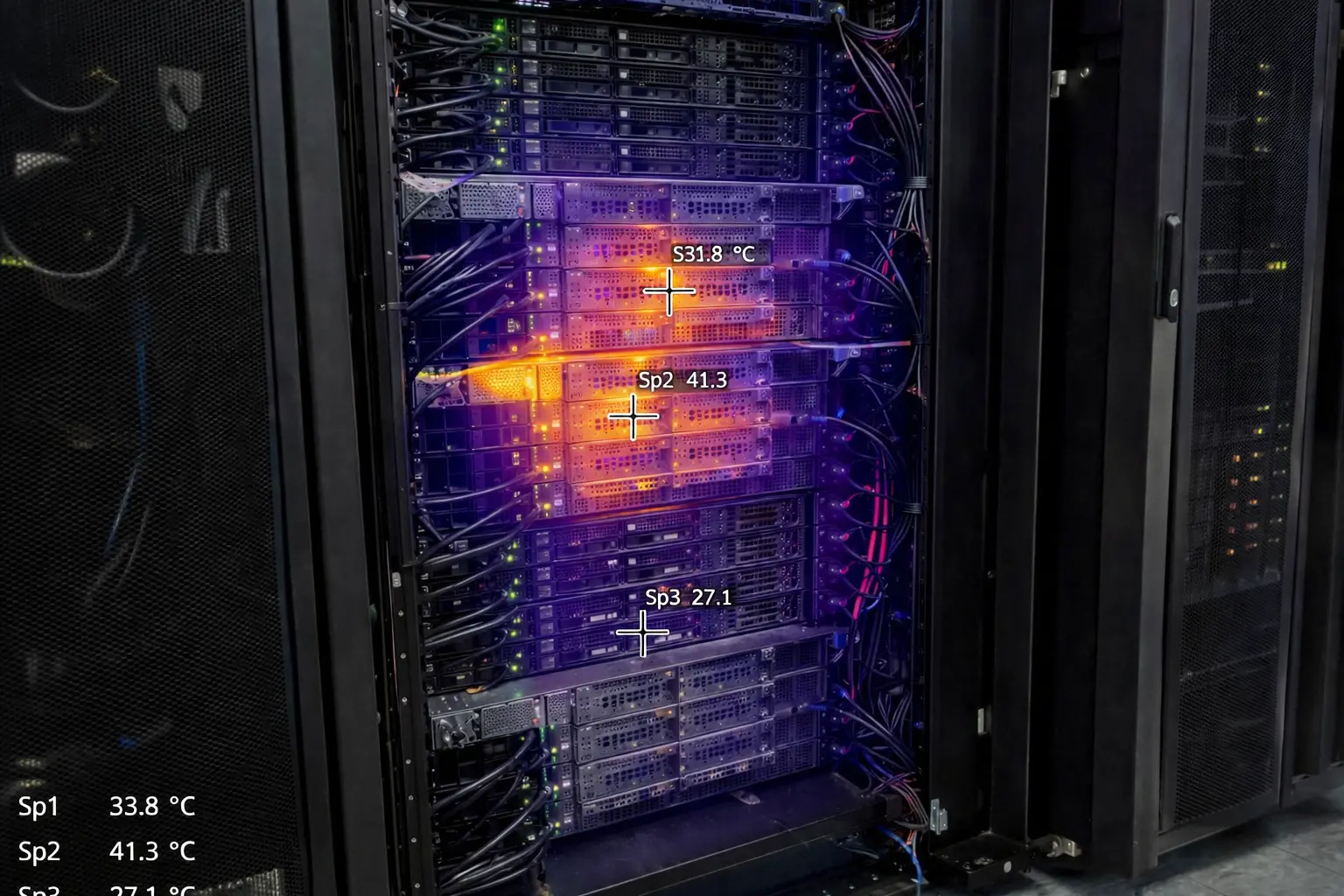
Rising power and data flows are creating data center thermal friction, a hidden constraint that can undermine the efficiency gains from NVTS and POET technologies.
NVIDIA is investing $4B in transceiver optics with Lumentum and Coherent, strengthening server-to-switch data flow, while GPU-level optical solutions like POET remain an open opportunity.
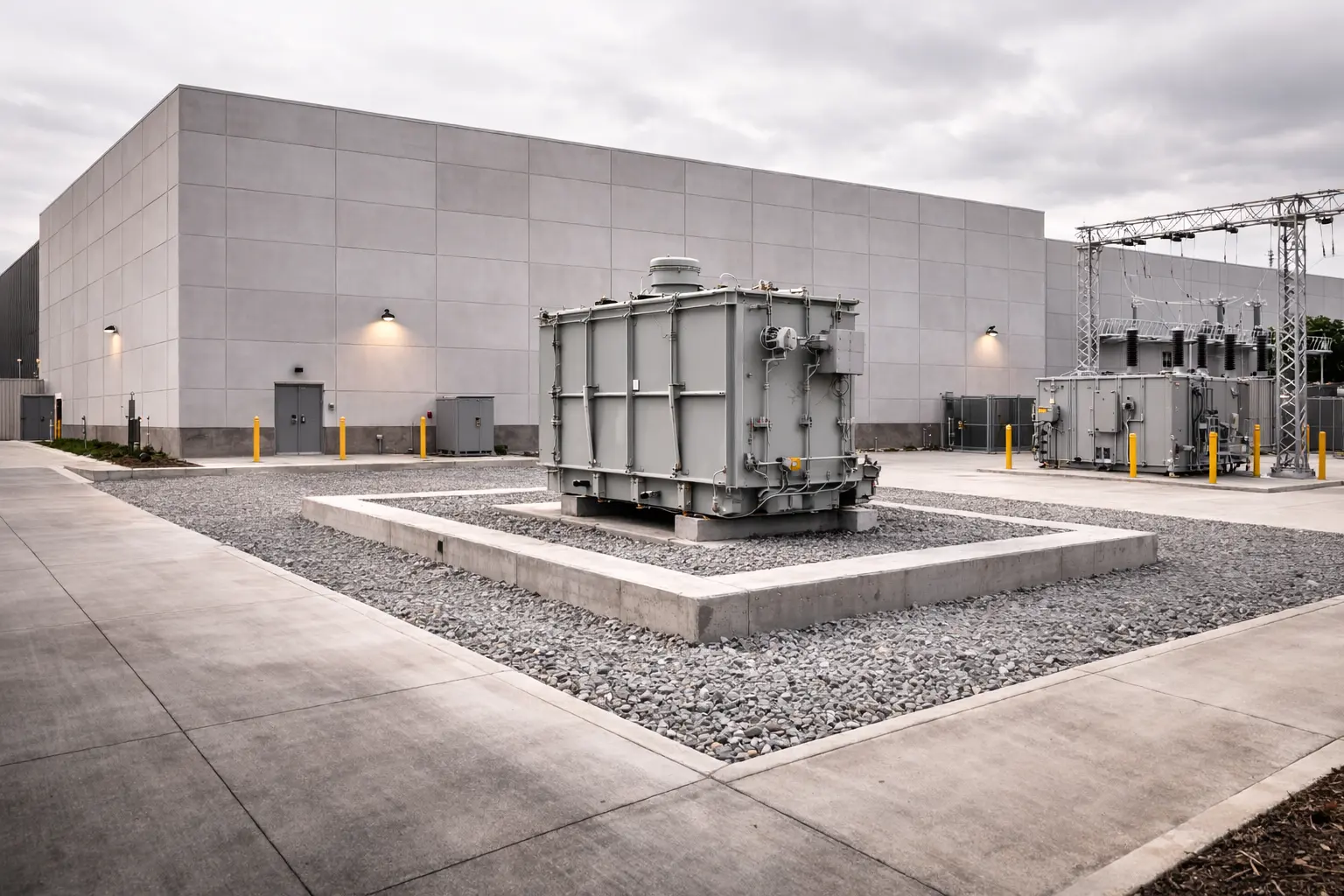
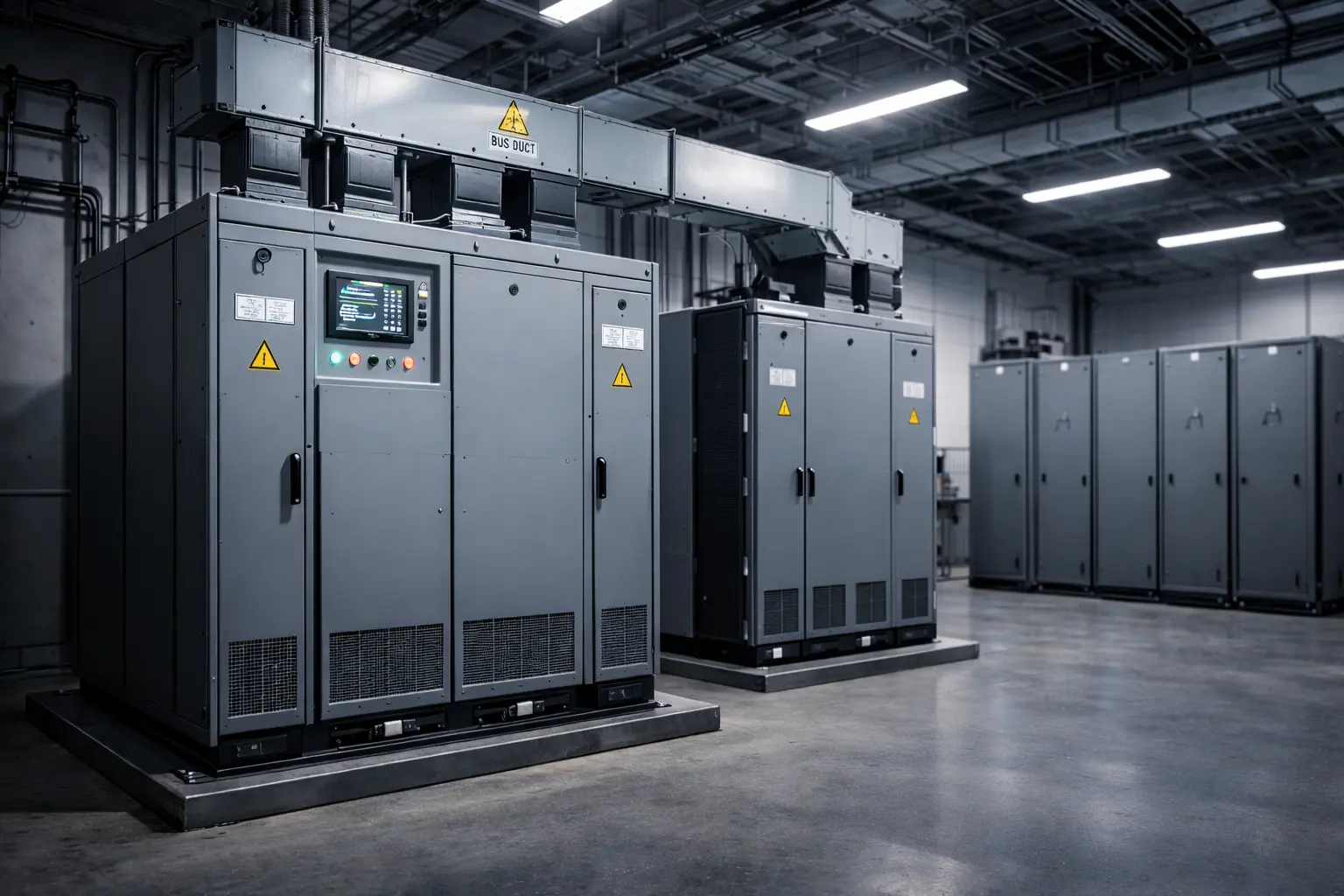
AI data center power infrastructure where next generation transformer systems and power conversion equipment support efficient electricity delivery across the data center power delivery stack.
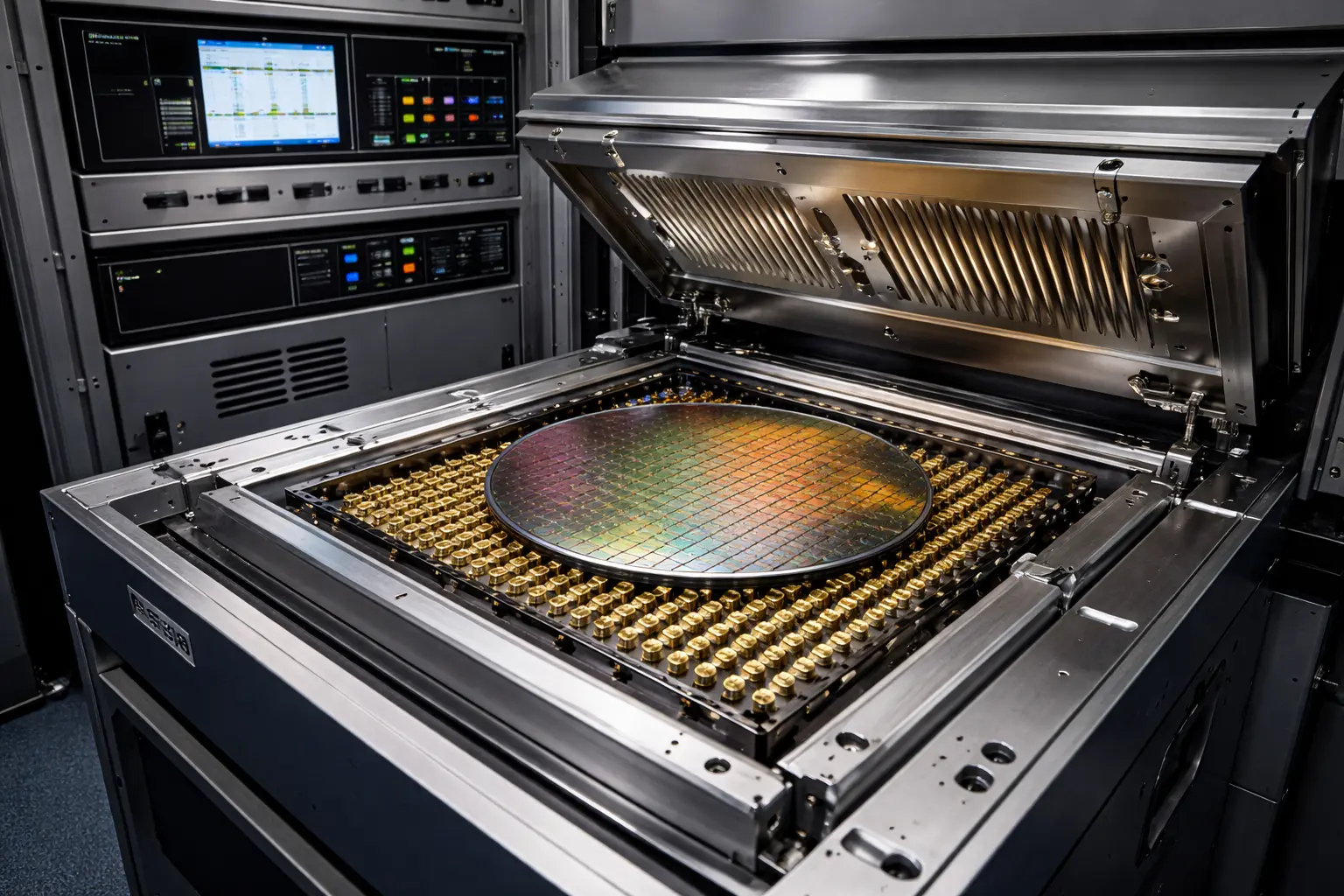
Aehr Test Systems ties its AI exposure to semiconductor capacity expansion, not unit proliferation where structural upside concentrates.
Data center power constraint is the real limit in data center buildouts. Forgent compresses power infrastructure timelines where time determines when capacity comes online.
Alphabet provides quantum exposure without valuation dependence on quantum timelines.
NVTS collapsing and owning the power delivery stack by applying an integrated GaN–SiC architecture that defines how power moves through AI systems from rack to GPU.
IonQ acquired SkyWater for quantum advantage. Manufacturing constraints and licensing obligations suggest the real risk may now flow in the opposite direction.
3D monolithic chips collapse distance inside silicon—and SKYT controls the manufacturing path that makes it real
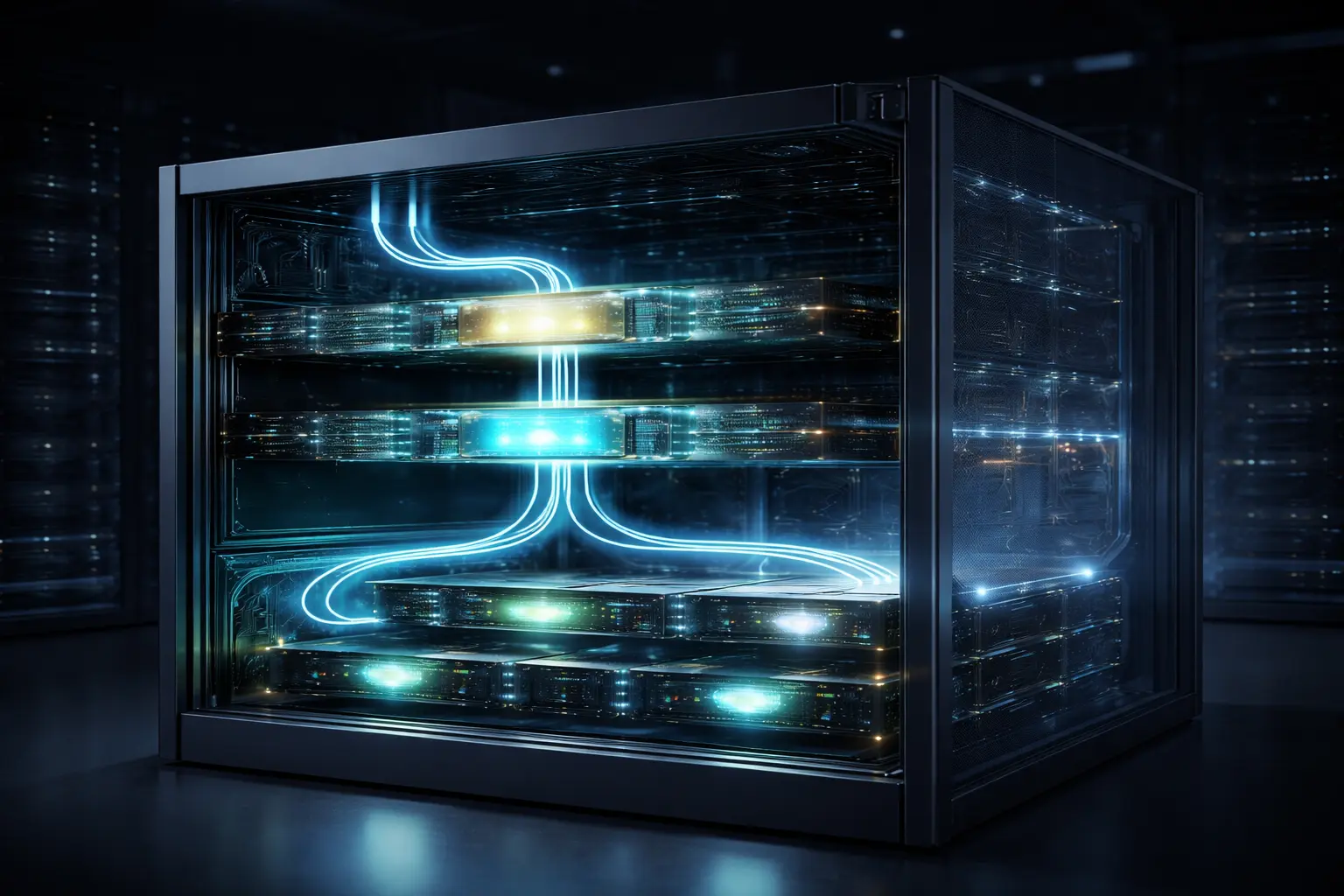
GPU power delivery feeding compute, illustrating the shift from power chip limits to internal data movement constraints in AI systems