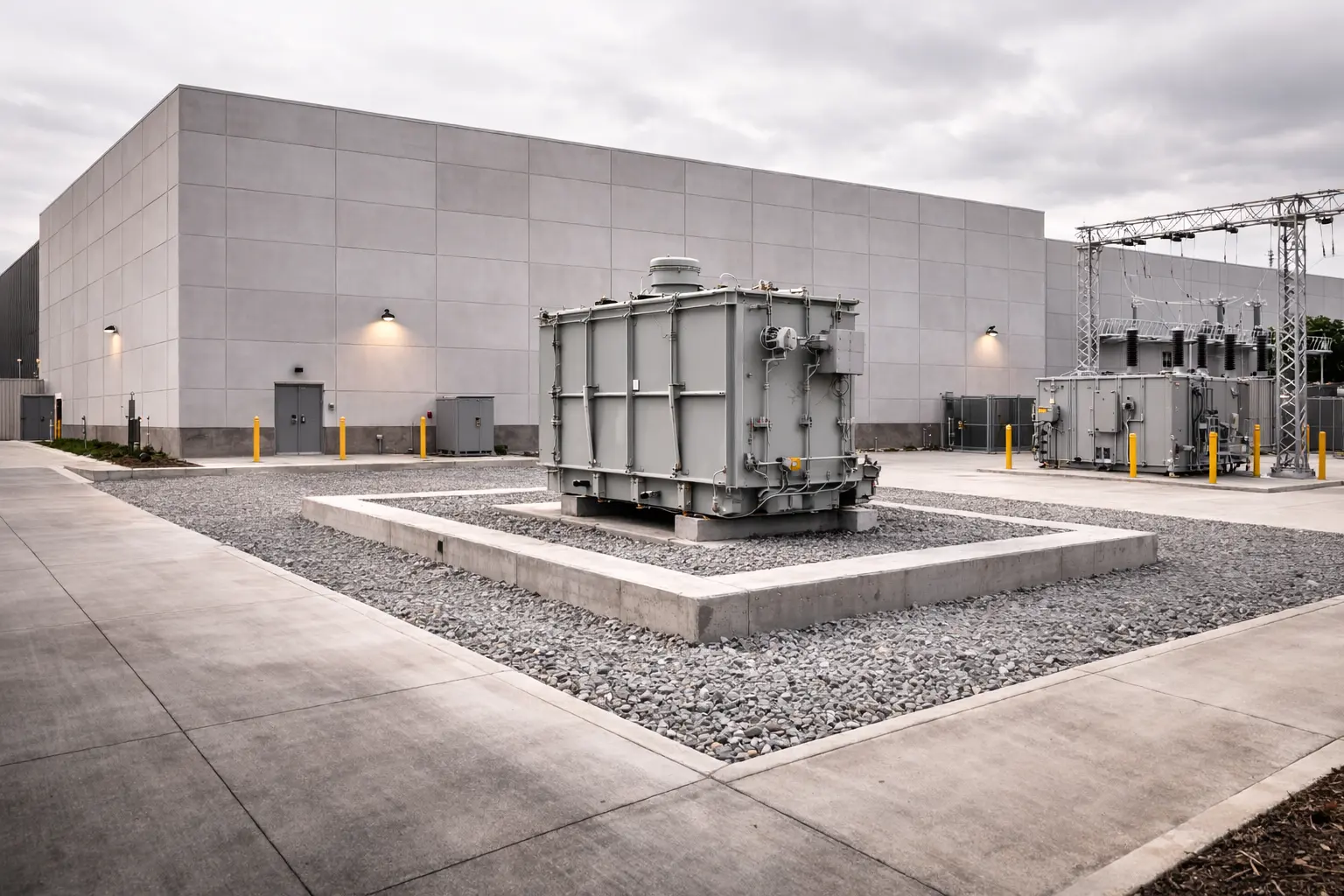
Forgent Power Compresses Data Center Power Infrastructure Timelines
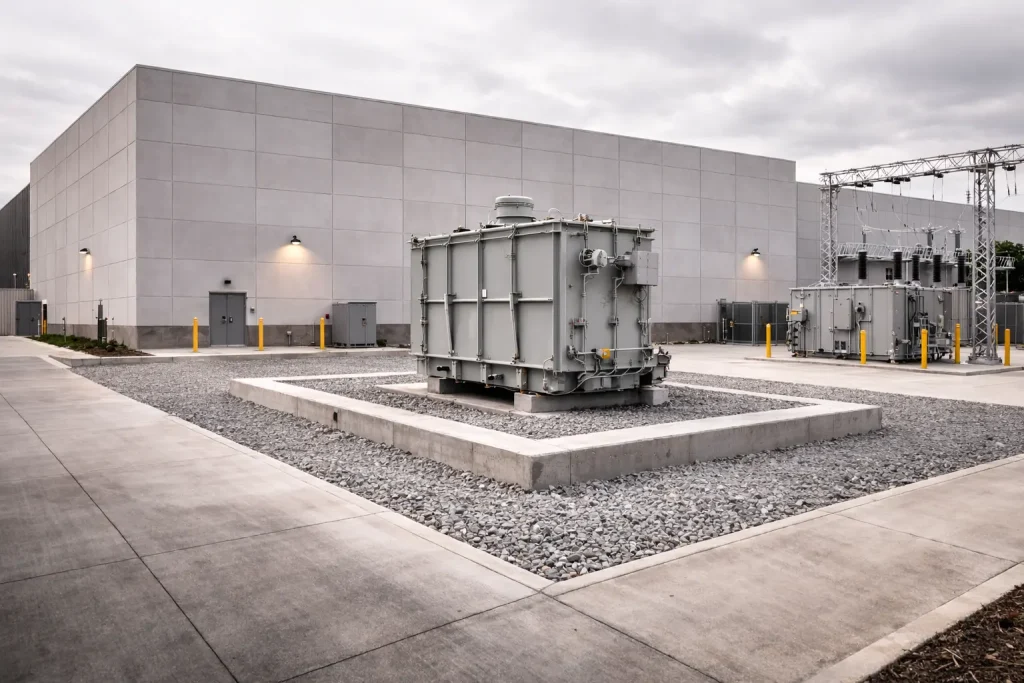
AI data center scaling is no longer constrained by capital or compute alone. It is increasingly constrained by time. Data center operators can allocate capital, secure GPUs, and construct data centers on accelerated timelines. What they cannot accelerate as easily is the power infrastructure required to bring those data centers online. Power infrastructure companies operate on multi month deployment timelines. Data center buildouts follow accelerated, demand driven timelines. The gap between those timelines is where the constraint emerges.
The Legacy Model Wasn’t Designed for Compressed Deployment Timelines
Legacy power infrastructure companies are structured for incremental demand rather than accelerated data center buildouts. Incremental power infrastructure deployments move through a defined planning, procurement, and installation timeline. Planning establishes engineering design. Procurement secures manufacturing capacity. Installation proceeds through commissioning. This stage gated process is intentionally sequential, optimized for long planning horizons in an era of incremental demand.
The Nine Month Deployment Wall
Because this process is sequential, data center power infrastructure is not off the shelf. It requires engineering, specification, manufacturing slots, and supply chain coordination before deployment can proceed. As a result, deployment timelines extend beyond nine months.
For data center operators, extended deployment timelines have economic consequences. Land is secured, buildings are constructed, servers are installed, and capital is allocated, but revenue is not generated until the data center is online.
Why Capital Doesn’t Solve It
The common response to extended deployment timelines is additional capital. But this is a deployment timeline constraint, not a capital constraint. Within the defined planning, procurement, and installation timeline, planning is governed by engineering design. Procurement is bounded by finite manufacturing capacity. Installation remains time bound through commissioning. Increasing CapEx does not accelerate engineering design, create immediate manufacturing capacity, or compress commissioning timelines. Time remains the constraint variable, making the ability to compress deployment timelines a competitive advantage.
Forgent Power: Compressing the Timeline
Forgent Power is structured around deployment timeline compression. Rather than operating through a legacy stage gated process, it aligns planning, procurement, and installation within a unified execution schedule. Engineering is consolidated to accelerate planning. Manufacturing capacity is coordinated through its vertically integrated model to compress procurement. Assembly is aligned to reduce installation time. Where legacy timelines extend toward nine months, Forgent Power’s model is built to shorten that timeline by up to 30% to 50%, bringing data centers online earlier.
Temporary Gap or Structural Advantage?
The critical question is whether Forgent Power’s unified execution schedule remains strategically necessary over the long term. If data center demand moderates, legacy power infrastructure companies’ deployment timelines may become sufficient, narrowing Forgent Power’s competitive advantage.
However, if data center operators require deployment timelines to match accelerated data center buildouts, deployment timeline compression shifts from convenience to necessity. In that scenario, Forgent Power holds a competitive advantage. Whether it becomes a durable advantage depends on how incumbents respond.
Incumbent Response Determines the Moat
Legacy power infrastructure companies possess clear strengths, including procurement leverage, workforce scale, balance sheet durability, and embedded supply chains. These strengths provide the capacity to shorten deployment timelines if legacy power infrastructure companies are willing to reengineer their operating model. If legacy power infrastructure companies fail to adapt, Forgent Power’s unified execution schedule becomes its moat.
The Real Risk: Scaling Without Becoming the Legacy Model
The final risk is internal. As Forgent Power expands operations, the question is whether it can preserve the deployment timeline compression that defines its moat. Growth introduces coordination complexity, coordination complexity reintroduces sequencing, and sequencing extends deployment timelines. If Forgent Power mirrors the structure it set out to compress, its moat narrows.
In the current AI data center buildout cycle defined by urgency, the scarcest resource is not capital, but deployment time. If Forgent Power sustains deployment timeline compression at scale, it maintains its moat.
Disclosure: This article reflects the author’s personal analysis and opinions and is not investment advice. The author does not hold shares in Forgent Power (FPS) at the time of writing. Images used are independent illustrative renderings and are not official Forgent Power promotional materials.
RISK PROFILE
Deployment Compression: Forgent Power’s advantage depends on time remaining the binding constraint in data center infrastructure buildouts and on its ability to sustain compressed deployment timelines at scale. If data center construction moderates or legacy companies compress deployment timelines, Forgent Power’s advantage narrows.
PORTFOLIO HOLDINGS
Track when The Richo Edge allocates capital to Forgent Power.
Monitor portfolio holdings, position changes, and analysis coverage.
View Portfolio Holdings