The $1.4T US Electrical Grid Bottleneck: Who Captures the Value?
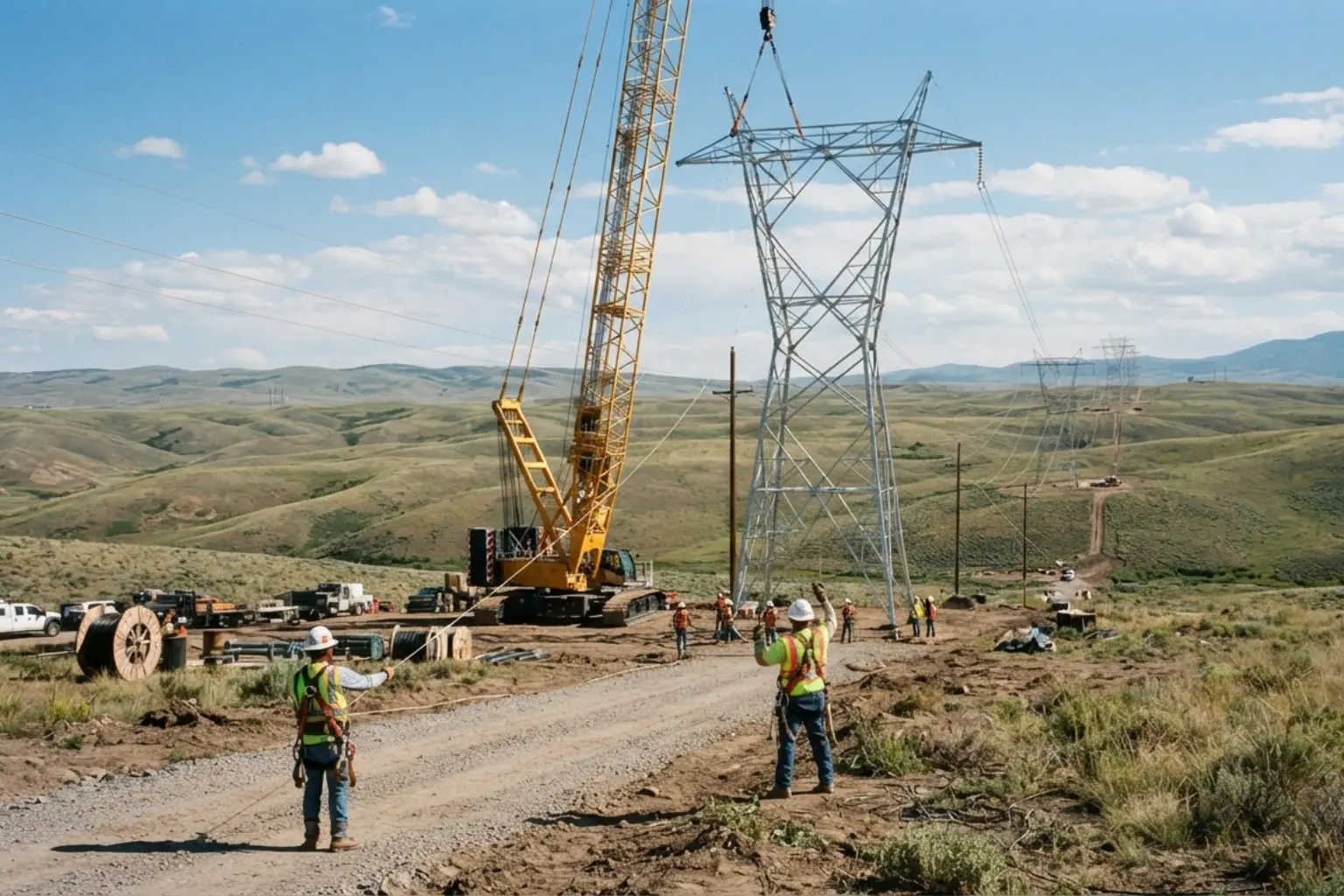
The U.S. electrical grid is entering a modernization cycle as existing transmission and distribution networks require upgrades and expansion. These networks require upgrades as they are approaching the end of their intended service life, while expansion is required to support increasing electricity demand from AI data centers, manufacturing reshoring and industrial electrification. This modernization cycle creates value opportunities across transmission and distribution networks.
The U.S. Grid Was Built for a Different Economy
The U.S. electrical grid was designed around centralized generation and transmission, where generation facilities supply electricity through transmission and distribution networks. This design assumed gradual growth in electricity demand, allowing utilities to expand generation facilities and transmission and distribution networks through long term planning.
However, utilities did not upgrade and expand transmission and distribution networks in line with generation facilities, creating a transmission and distribution bottleneck. Regulatory approval and interconnection processes have also delayed transmission and distribution upgrades and expansion, further compounding this bottleneck.
The Grid Constraint Extends Beyond Generation
This transmission and distribution bottleneck has limited the connection of new generation capacity to the U.S. electrical grid. As a result, more than 2,000 gigawatts of generation capacity is queued for grid connection, highlighting the need for additional transmission and distribution networks.
Addressing this bottleneck requires upgrades and expansion across existing networks. These upgrades will increase network capacity and improve network efficiency. The modernization cycle therefore extends beyond generation, driving investment across transmission and distribution networks.
Electricity Demand Is Entering a New Growth Cycle
Beyond the transmission and distribution bottleneck, increasing electricity demand is creating pressure on transmission and distribution networks. AI data centers, manufacturing reshoring and industrial electrification are driving this demand. Among these, AI data centers are the newest source of electricity demand. The shift from cloud to AI data centers is increasing electricity demand through higher GPU density and power requirements.
Together, these demand drivers are creating pressure on transmission and distribution networks. Addressing this bottleneck while supporting increasing demand is projected to require more than US$1.4 trillion of investment through 2030. This will create opportunities across transmission and distribution networks, with value concentrating among companies capable of deploying electrical capacity faster and executing required network upgrades and expansion.
The Companies Positioned for the Modernization Cycle
Companies positioned to benefit from this $1.4 trillion modernization investment include Forgent Power and Solv Energy. Both companies support the upgrades and expansion required across transmission and distribution networks.
Forgent Power operates within electrical deployment, where its execution model compresses deployment timelines to bring electrical capacity online faster. Solv Energy provides the infrastructure required to connect electricity generation with transmission and distribution networks while supporting reliable power delivery.
Implications for Grid Modernization and Investment
Grid modernization is no longer driven solely by electricity generation. Upgrading and expanding transmission and distribution networks has become equally important as electricity demand increases. This shifts investment toward companies capable of accelerating electrical capacity deployment and supporting transmission and distribution upgrades and expansion, where execution capability increasingly determines value capture.
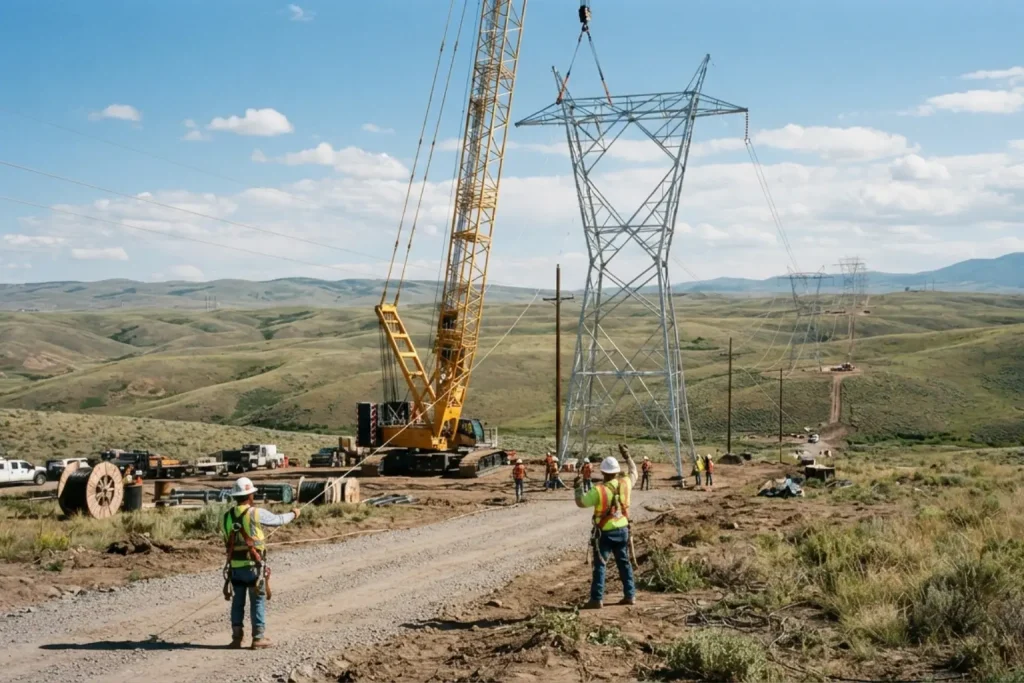
Disclosure: This article reflects the author’s personal analysis and opinions and is not investment advice. The author holds shares in Solv Energy (MWH) and does not hold shares in Forgent Power (FPS) at the time of writing. Images used are independent illustrative renderings and are not official Forgent Power or Solv Energy promotional materials.
RISK PROFILE
Grid Investment: Forgent Power and Solv Energy provide the capability to deploy, connect, and support transmission and distribution upgrades and expansion. If modernization investment is delayed or reduced, both companies may not capture the projected value.
PORTFOLIO
Track when The Richo Edge allocates capital to Forgent Power and Solve Energy.
Monitor portfolio holdings, position changes, and analysis coverage.
View Portfolio