Alphabet Offers Quantum Exposure Without Existential Risk
Quantum computing is often framed as a binary investment outcome: either fault tolerance is achieved and early leaders compound rapidly, or development timelines extend and capital erodes. That framing obscures a more important structural distinction: some companies must solve quantum to justify their valuation, while others can pursue quantum without depending on it. That difference matters.
Pure play quantum is an underwriting decision
Owning IonQ or Rigetti Computing is not simply about gaining exposure to quantum technology. It is underwriting a development timeline until a commercially viable quantum system is deployed, capable of generating material revenue. Currently, both companies generate revenue primarily through early stage quantum services and research partnerships, though neither produces cash flows capable of independently funding that development timeline.
This distinction matters as quantum systems remain in the pre fault tolerant phase, where scalable error correction is unresolved and logical qubit expansion remains capital intensive. If that development timeline extends another five to ten years, access to capital becomes the binding constraint, making dilution through repeated capital raises structural to the pure play quantum business model. This is not a critique of the science. It is capital reality.
Alphabet’s different positioning
That capital dependency is not uniform across the sector. Alphabet approaches quantum from a fundamentally different capital position. Alphabet is not valued as a quantum company. Its core earnings power remains search advertising and Google Cloud infrastructure, both of which generate operating cash flow at scale to fund its quantum development internally under Google Quantum AI.
Embedded Capital Insulation
If quantum development timelines extend, Alphabet’s core businesses remain intact and Google Quantum AI is internally funded without straining its business model. If commercially viable fault tolerance is achieved, however, the impact on Alphabet’s balance sheet could be material. But a viable quantum system is only part of the equation. Commercialization requires capital and technical infrastructure to reach enterprise customers.
Commercialization Asymmetry
The risk in pure play quantum is not only developing a commercially viable system, but how it reaches enterprise customers once a breakthrough is achieved. A breakthrough often triggers a second capital cycle to support commercialization: establishing enterprise sales capacity, cloud integration tools, and customer support infrastructure while quantum development continues.
Alphabet does not face that second capital cycle. Alphabet’s Google Cloud is already scaled, enterprise integrated, and cash flow generative. A viable quantum system would deploy within that existing infrastructure, without requiring incremental capital.
Addressing the CapEx objection
Alphabet’s commercialization advantage does not eliminate investor concern over its CapEx. Current spending is elevated across the company, compressing near term free cash flow and increasing depreciation, though it is primarily directed toward AI infrastructure rather than quantum development. Elevated investment may influence near term returns, but Google Quantum AI does not rely on external financing, in contrast to pure play quantum companies.
Risk adjusted exposure
The core investor decision is not whether commercially viable quantum systems emerge, but how to structure exposure while development timelines remain uncertain. Pure play quantum companies offer torque: if a breakthrough occurs, valuation repricing can be rapid. They also carry structural fragility, as delays often translate into dilution through repeated capital raises.
Exposure through Alphabet presents the inverse profile. Quantum development is internally funded and not valuation dependent. Breakthroughs may enhance enterprise value, but delays do not impair the company’s core earnings power. Crucially, Alphabet continues to monetize its AI and cloud infrastructure; that same infrastructure would serve as the distribution layer for commercially viable quantum systems.
Frontier compute without dependency
Quantum systems may be transformative, but when development timelines remain uncertain, balance sheet strength becomes a competitive advantage. Owning pure play quantum companies represents a high conviction underwriting of timeline compression. Owning Alphabet Inc. provides exposure to quantum development without requiring that compression to occur on schedule. That distinction reframes the decision entirely: quantum is not merely a technological constraint but a capital endurance test, and in that test, capital may prove more valuable than narrative purity.
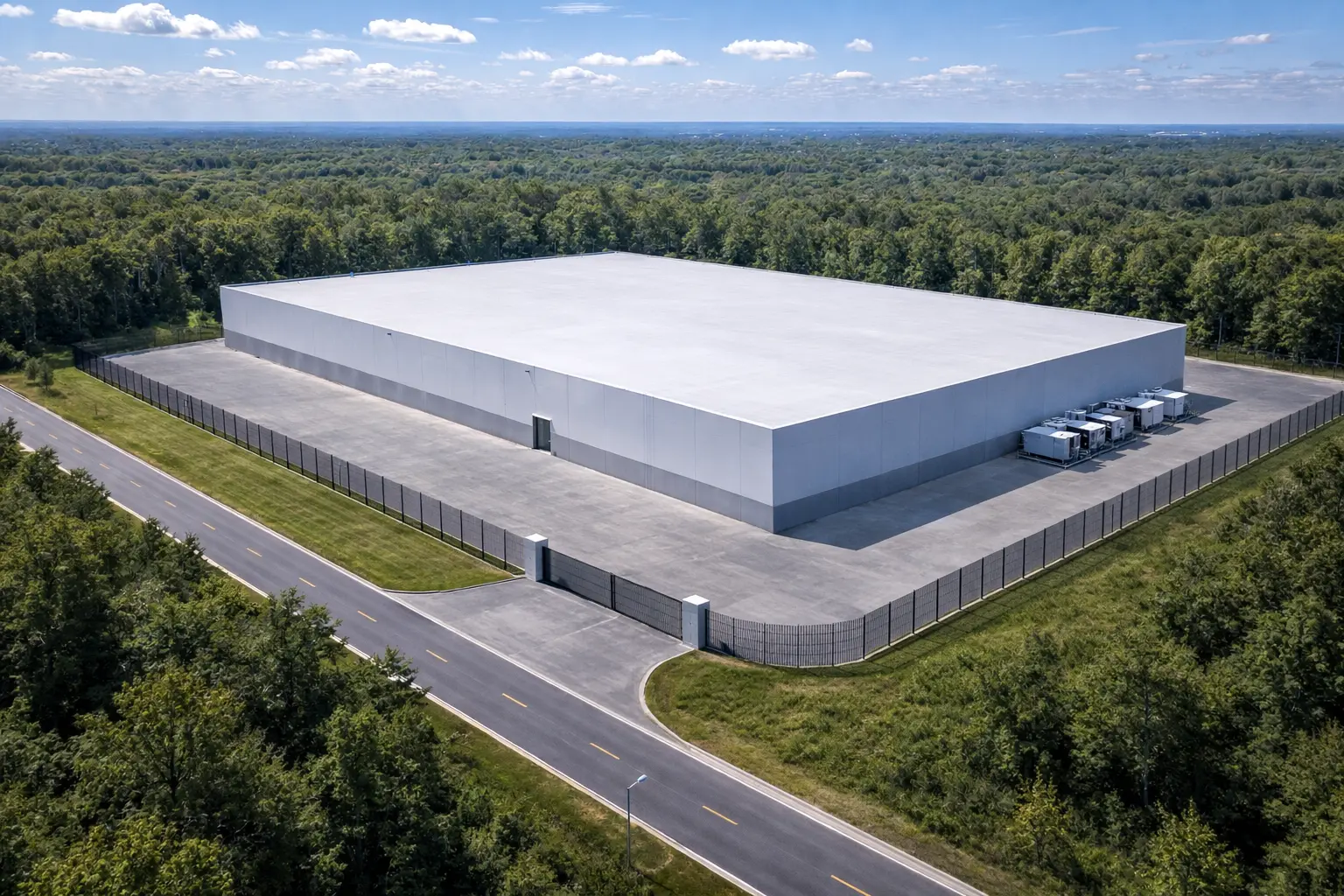
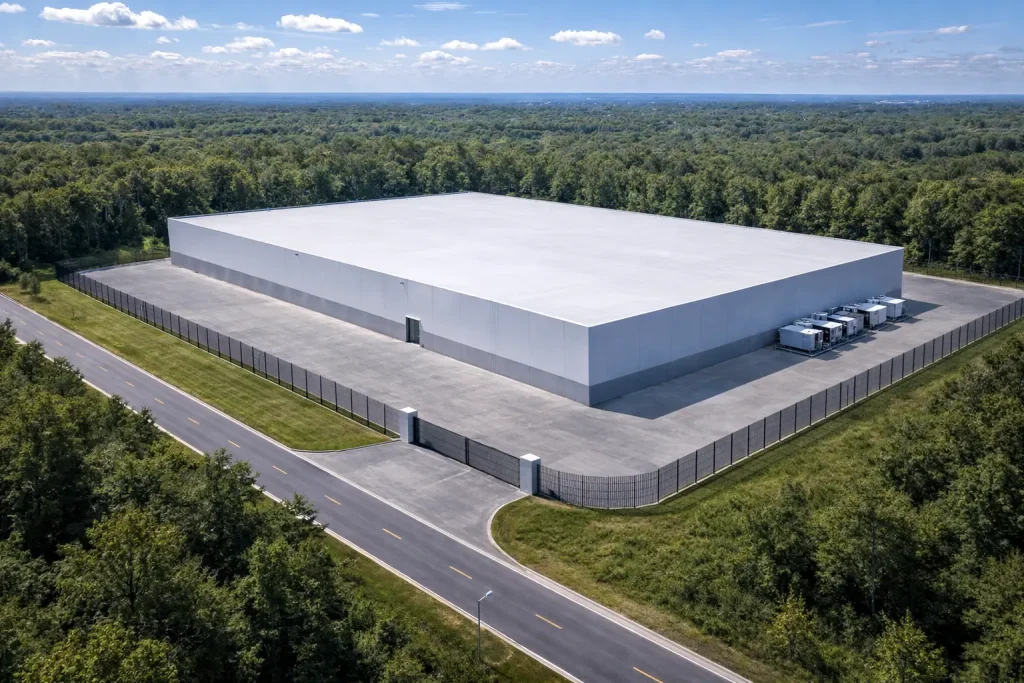
Disclosure: This article reflects the author’s personal analysis and opinions and is not investment advice. The author does not hold shares in Alphabet Inc. (GOOG) at the time of writing. Images used are independent illustrative renderings and are not official Alphabet Inc. promotional materials.
RISK PROFILE
Opportunity Cost: Alphabet funds quantum development internally, but CapEx remains concentrated on AI infrastructure. If that allocation continues, quantum development may lag pure play companies. The risk is not dilution or balance sheet strain, but delayed advancement due to internal capital allocation.
RELATED ANALYSIS
License Tensions Could Cost IONQ More Than The SKYT Acquisition
NVTS Is Quietly Collapsing the AI Power Delivery Stack
SKYT Is Sitting on a Critical Chip Breakthrough